
UREA
Cromer Petrochemicals : The New Way to Connecting India Empowering Industries Driving Efficiency Fuelling Progress Building Dreams Transforming Infrastructure Committment in Excellencey
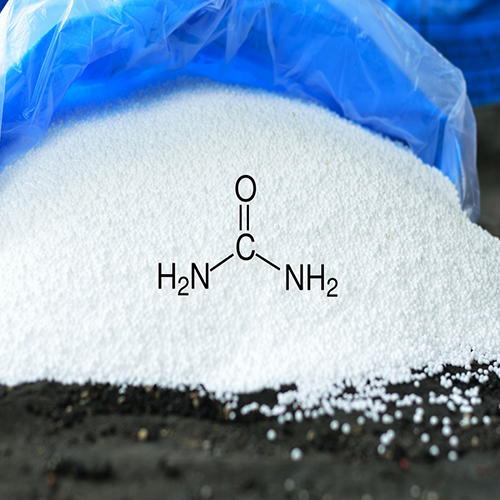
Urea is a vital nitrogenous fertilizer and a key component in agricultural practices worldwide. It is a white, crystalline solid with a high nitrogen content, making it an essential source of nitrogen for plant growth. Urea is widely used in both commercial agriculture and horticulture due to its effectiveness in promoting healthy plant development and increasing crop yields.
CHEMICAL COMPOSITION
Chemically, urea is known as carbamide and has the molecular formula CO(NH2)2. It is a simple organic compound composed of carbon, nitrogen, oxygen, and hydrogen atoms. The high nitrogen content of urea, typically around 46%, is what makes it a valuable fertilizer.
MANUFACTURING PROCESS
Urea is primarily produced through the reaction of ammonia (NH₃) and carbon dioxide (CO₂) in a high-pressure and high-temperature process known as the Haber-Bosch process. The resulting ammonium carbamate undergoes further processing to yield solid urea crystals.
APPLICATION & BENEFITS
Urea can be applied using various methods, including broadcasting, top-dressing, side-dressing, and fertigation (dissolving in irrigation water). The choice of application method depends on the crop type, soil conditions, and regional farming practices. Urea is a versatile fertilizer that offers numerous benefits to plant growth and agricultural productivity:
Nitrogen Source:
Urea is an excellent source of nitrogen, which is a vital element for the synthesis of proteins and enzymes in plants. Nitrogen is crucial for leafy green growth, as well as the formation of flowers, fruits, and seeds.High Nitrogen Content:
With approximately 46% nitrogen by weight, urea provides a concentrated and readily available nitrogen source to plants, making it an efficient and cost-effective fertilizer.Suitable for Various Crops:
Urea can be used on a wide range of crops, including cereals, vegetables, fruits, and cash crops, making it a versatile option for farmers with diverse cultivation practices.Long-Lasting Effect:
Urea's slow-release properties allow for a steady supply of nitrogen to the plants over time, reducing the risk of nutrient leaching and ensuring sustained growth.Ease of Application:
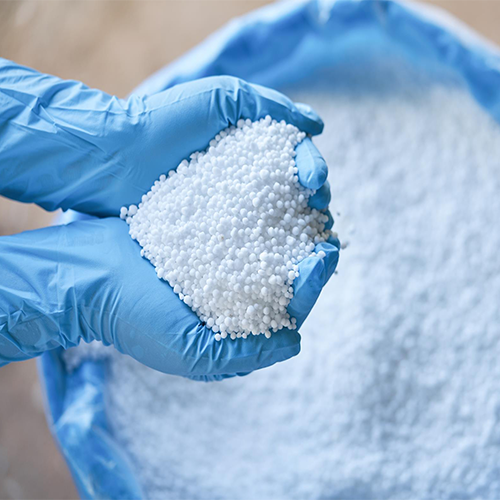
Urea is available in granular or prilled form, making it easy to handle, store, and apply. It can be spread mechanically or manually, providing convenience to farmers.Improves Soil Fertility:
Apart from its direct benefits to plants, urea also enhances soil fertility by increasing its organic matter content and improving the overall soil structure.Cost-Effective:
Urea's high nitrogen content and relatively lower cost per unit of nutrient make it a cost-effective choice for large-scale agriculture.

PRECAUTIONS
While urea is a valuable fertilizer, certain precautions should be taken during its application:
- Avoid direct contact with skin and eyes as it may cause irritation.
- Proper storage in a dry, cool place is essential to prevent caking and degradation.
- Avoid applying urea in windy conditions to minimize nitrogen loss through volatilization.
CONCLUSION
Urea is a critical component in modern agriculture, playing a significant role in boosting crop yields and ensuring food security. Its high nitrogen content, versatility, and cost-effectiveness make it a preferred choice for farmers looking to optimize their agricultural productivity and sustainably improve soil fertility for future generations.