
SODIUM LIGNOSULPHONATE
Cromer Petrochemicals : The New Way to Connecting India Empowering Industries Driving Efficiency Fuelling Progress Building Dreams Transforming Infrastructure Committment in Excellencey
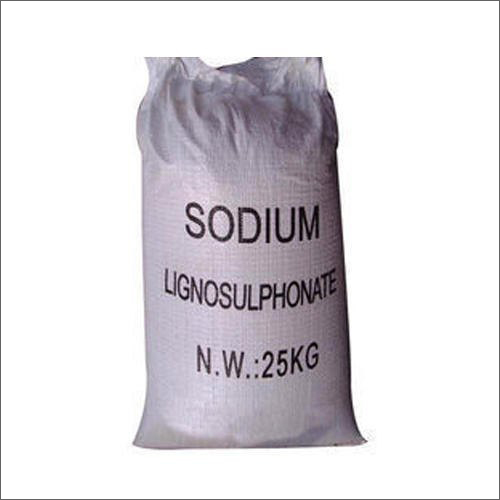
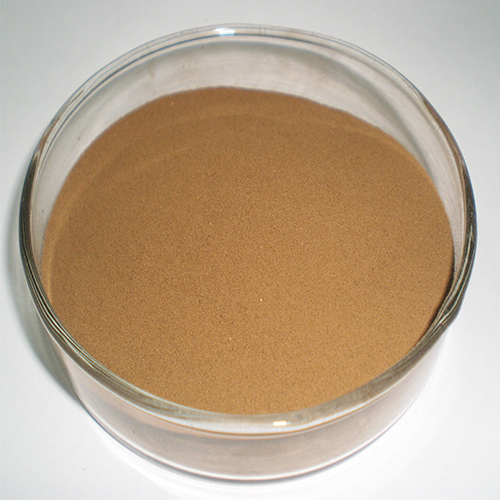
Sodium Lignosulphonate, also known as lignosulfonate or lignin sodium sulfonate, is a versatile and widely used chemical compound derived from lignin, a natural polymer found in plants. It is a water-soluble product obtained during the sulfite pulping process of wood in the paper-making industry. Sodium Lignosulphonate is a brownish-yellow to dark brown powder or liquid, depending on the concentration and application.
CHEMICAL STRUCTURE
Sodium Lignosulphonate is a complex organic compound with a highly branched structure, composed of lignin molecules that have undergone sulfonation. The sulfonation process imparts water solubility and dispersing properties to the lignin, making it suitable for various applications across different industries.
KEY PROPERTIES
Water Solubility:
Sodium Lignosulphonate is highly water-soluble, which makes it an effective dispersant and binder in aqueous solutions.Dispersing Agent:
It has excellent dispersing properties, enabling it to break down and disperse particles in liquid solutions, preventing sedimentation and agglomeration.Adhesive and Binder:
Sodium Lignosulphonate acts as an adhesive and binder in a wide range of materials, enhancing cohesion and strength.Chemical Stability:
It is stable under normal conditions and compatible with various other chemicals and compounds.Non-Toxic and Environmentally Friendly:
Sodium Lignosulphonate is considered non-toxic and environmentally friendly, making it suitable for use in various industries and applications.

APPLICATIONS
Sodium Lignosulphonate finds extensive use in diverse industries due to its versatile properties. Some of the key applications include::
Construction Industry:
In the construction industry, it serves as a water-reducing admixture in concrete and cement formulations. By dispersing cement particles, it improves workability, reduces water demand, and enhances concrete strength and durability.Ceramics and Refractories:
Sodium Lignosulphonate is used as a binder in ceramic and refractory products, providing enhanced green strength and reducing defects during processing.Animal Feed Additive:
It is utilized as a pellet binder in animal feed production, improving pellet durability and preventing feed disintegration during handling and transportation.Dye Dispersant:
In the textile industry, it acts as a dispersing agent for dyes, improving color uniformity and dye penetration in fabrics.Agriculture:
Sodium Lignosulphonate is used as a soil conditioner, aiding in soil structure improvement, water retention, and nutrient absorption for plants.Dust Control:
It is applied in dust suppression for unpaved roads, construction sites, and mining operations, minimizing airborne dust and improving air quality.Pesticide Formulations:
Sodium Lignosulphonate is used as an adjuvant in pesticide formulations to enhance the effectiveness and stability of active ingredients.
CONCLUSION
Sodium Lignosulphonate is a highly versatile and valuable chemical product with a wide range of applications across industries. Its water solubility, dispersing properties, and environmentally friendly nature make it an essential additive for various manufacturing processes, contributing to improved product performance and efficiency in different applications.